In an increasingly interconnected world, the exchange of knowledge across borders has become one of the most powerful engines of innovation and cultural understanding. Among the most dynamic and enduring examples of this phenomenon is the scholarly relationship between the United States and Japan. Rooted in more than a century of academic curiosity, diplomatic engagement, and shared challenges, this exchange has evolved into a multifaceted partnership that shapes research, education, and global problem-solving.
Historical Foundations
The scholarly connection between the United States and Japan dates back to the late 19th century, when Japan emerged from a long period of isolation and began modernizing during the Meiji era. Eager to learn from Western advancements, Japanese students and scholars traveled to American universities to study science, engineering, law, and political systems. At the same time, American educators and advisors went to Japan, contributing to the establishment of modern institutions.
This early exchange was not merely transactional; it was transformative. Japan selectively adapted Western knowledge while preserving its cultural identity, and the United States gained a deeper understanding of East Asian traditions and philosophies. Despite the disruption of World War II, scholarly ties were rebuilt in the postwar era, supported by educational reforms and international cooperation initiatives.
Institutional Partnerships
Today, the academic exchange between the two countries is anchored in a dense network of institutional partnerships. Universities collaborate through joint research programs, dual-degree offerings, faculty exchanges, and international conferences. These partnerships span a wide range of disciplines, from artificial intelligence and environmental science to literature and sociology.
American universities often host Japanese scholars through visiting professorships and research fellowships, while Japanese institutions welcome American students and researchers seeking immersion in a different academic and cultural environment. Government-supported programs and private foundations play a crucial role in funding these opportunities, ensuring that scholars from diverse backgrounds can participate.
One notable aspect of these partnerships is their emphasis on long-term collaboration. Rather than one-off exchanges, many programs are designed to foster sustained relationships, enabling researchers to tackle complex global issues that require continuity and trust.
Student Mobility and Cultural Exchange
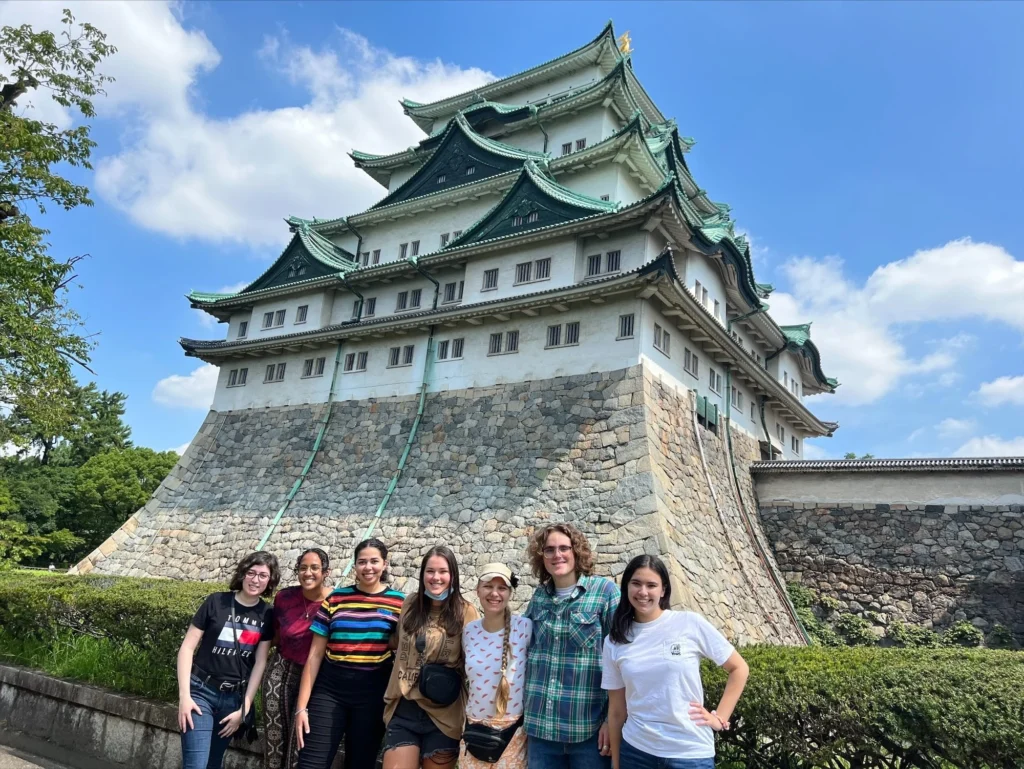
Student exchange programs form the backbone of scholarly interaction between the United States and Japan. Thousands of students cross the Pacific each year, bringing with them not only academic ambitions but also cultural perspectives that enrich their host institutions.
For Japanese students, studying in the United States often provides exposure to a more discussion-based, interdisciplinary approach to education. It encourages critical thinking, creativity, and active participation in the classroom. Conversely, American students in Japan gain insight into a system that values discipline, depth of specialization, and collaborative harmony.
Beyond academics, these experiences foster cultural literacy. Students learn to navigate language barriers, social norms, and different modes of communication. They build friendships that transcend national boundaries and carry these connections into their future careers.
Such exchanges also challenge stereotypes. By living and studying abroad, participants develop a more nuanced understanding of each other’s societies, reducing cultural misunderstandings and fostering mutual respect.
Research Collaboration and Innovation
Perhaps the most impactful dimension of US–Japan scholarly exchange lies in collaborative research. Scientists and scholars from both countries frequently work together on projects that address pressing global challenges, including climate change, public health, energy sustainability, and technological advancement.
Japan’s strengths in precision engineering, robotics, and materials science complement American leadership in software development, biomedical research, and entrepreneurship. When combined, these capabilities create powerful synergies.
For example, joint research initiatives in robotics have led to advancements in automation that benefit industries worldwide. In the field of medicine, collaborative studies have contributed to breakthroughs in cancer treatment, aging research, and pandemic response strategies. Environmental research partnerships have also been instrumental in developing solutions for disaster resilience, an area of shared concern given both countries’ experiences with natural hazards.
These collaborations are often supported by bilateral agreements and funding mechanisms that encourage cross-border teamwork. Importantly, they also involve the exchange of data, methodologies, and perspectives, which enhances the quality and impact of research outcomes.
Language and Communication
Language plays a central role in scholarly exchange, acting both as a bridge and a barrier. English is widely used as the lingua franca of academia, which facilitates communication in joint projects. However, the importance of learning Japanese for American scholars—and English for Japanese scholars—cannot be overstated.
Language proficiency enables deeper engagement with primary sources, local communities, and cultural contexts. It also signals respect and commitment, strengthening professional relationships. Many exchange programs include language training as a core component, recognizing that effective communication is essential for meaningful collaboration.
Moreover, the process of learning another language often reshapes how individuals think and express ideas. This cognitive flexibility can lead to more creative approaches in research and teaching.
Challenges and Barriers
Despite its many successes, scholarly exchange between the United States and Japan faces several challenges. Differences in academic systems, funding structures, and institutional priorities can complicate collaboration. For instance, variations in academic calendars, tenure processes, and research expectations may require careful coordination.
Language barriers, while surmountable, can still hinder communication, particularly in highly specialized fields. Cultural differences in communication styles—such as directness versus indirectness—may also lead to misunderstandings if not navigated thoughtfully.
Financial constraints represent another obstacle. Studying or conducting research abroad can be expensive, and not all students or scholars have equal access to funding opportunities. Ensuring inclusivity and diversity in exchange programs remains an ongoing concern.
Additionally, geopolitical tensions and shifting policy priorities can influence the scope and direction of academic collaboration. Maintaining stable and open channels for scholarly exchange requires sustained commitment from both governments and institutions.
The Role of Technology
Advances in technology have significantly expanded the possibilities for scholarly exchange. Virtual classrooms, online conferences, and collaborative digital platforms allow researchers and students to connect without the constraints of physical travel.
While in-person experiences remain invaluable, especially for cultural immersion, digital tools have made exchange more accessible and resilient. During global disruptions such as the COVID-19 pandemic, these technologies ensured continuity in academic collaboration.
Hybrid models that combine virtual and physical exchange are likely to shape the future of US–Japan scholarly engagement. They offer flexibility, reduce costs, and enable participation from a broader range of individuals.
Broader Impacts
The benefits of scholarly exchange extend beyond academia. Graduates of exchange programs often become leaders in business, government, education, and civil society. Their international experiences inform their decision-making and foster cross-cultural competence.
In the economic sphere, collaboration between American and Japanese researchers contributes to innovation and competitiveness. Joint ventures and technology transfers often originate from academic partnerships, driving industrial growth.
Culturally, these exchanges promote mutual understanding and appreciation. They create a foundation for diplomacy that is rooted not only in political agreements but also in human connections. In times of uncertainty, these relationships can serve as stabilizing forces, reinforcing cooperation and dialogue.
Looking Ahead
As the world faces increasingly complex challenges, the importance of international scholarly exchange continues to grow. The partnership between the United States and Japan is well-positioned to play a leading role in this landscape.
Future efforts may focus on expanding access to exchange programs, particularly for underrepresented groups. Strengthening interdisciplinary collaboration will also be key, as many global issues require insights from multiple fields.
Sustainability is likely to be a central theme, with joint research addressing climate change, renewable energy, and environmental conservation. Advances in artificial intelligence and digital technology will further transform how scholars collaborate and share knowledge.
At the same time, preserving the human element of exchange—personal interaction, cultural immersion, and mutual empathy—will remain essential. Technology can enhance connection, but it cannot fully replace the depth of understanding that comes from living and learning in another society.
Conclusion
The scholarly exchange between the United States and Japan represents a powerful example of how nations can learn from one another while contributing to a shared global future. Built on a foundation of historical engagement, strengthened by institutional partnerships, and enriched by cultural exchange, this relationship continues to evolve in response to new challenges and opportunities.
By fostering collaboration, innovation, and mutual understanding, the academic bridge between these two countries not only benefits their respective societies but also contributes to the advancement of knowledge worldwide. In an era where global cooperation is more important than ever, the enduring partnership between the United States and Japan stands as a testament to the transformative power of education and intellectual exchange.