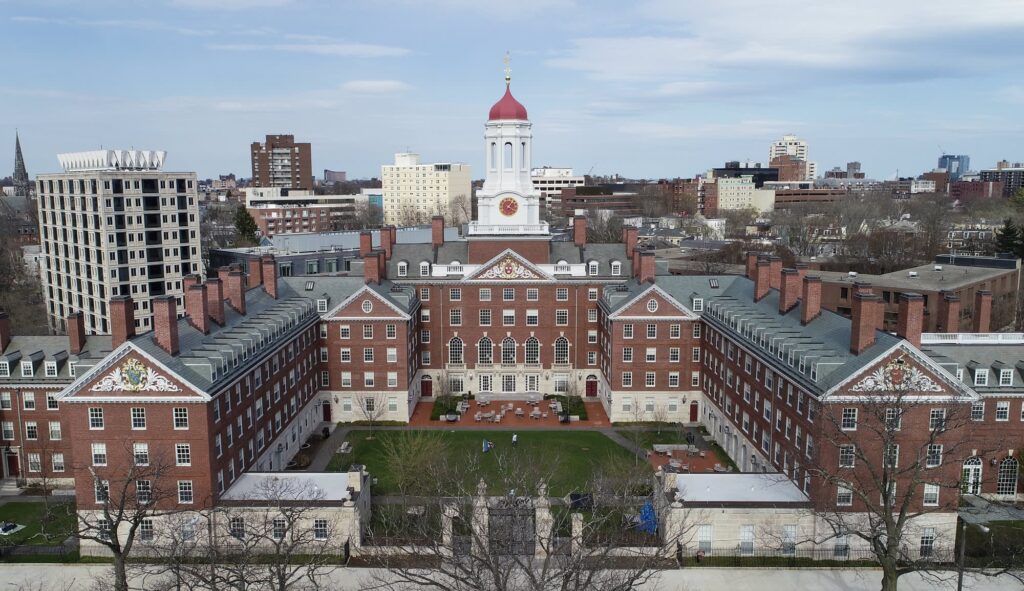
Harvard University stands as one of the most prestigious and influential institutions of higher education in the world. Established in 1636, it is the oldest university in the United States and has played a defining role in shaping not only American academia but also global intellectual, political, and cultural landscapes. Located in Cambridge, Massachusetts, Harvard has built a reputation synonymous with academic excellence, groundbreaking research, and leadership development. Over nearly four centuries, it has evolved into a symbol of educational distinction while continuously adapting to the changing demands of society.
Historical Foundations
Harvard University was founded by the Massachusetts Bay Colony just 16 years after the arrival of the Pilgrims at Plymouth. Originally established to train clergy, the institution was named after its first major benefactor, John Harvard, a young minister who bequeathed his library and half of his estate to the college upon his death in 1638. This early donation laid the foundation for Harvard’s enduring emphasis on knowledge, scholarship, and philanthropy.
In its early years, Harvard followed a curriculum rooted in classical education, focusing on subjects such as theology, philosophy, and the humanities. Over time, the university expanded its academic offerings, reflecting the broader intellectual movements of the Enlightenment and beyond. By the 19th century, Harvard had begun transforming into a modern research university, introducing professional schools and expanding its faculty and facilities.
Academic Structure and Programs
Today, Harvard University comprises multiple schools and faculties, each specializing in different disciplines. These include Harvard College (the undergraduate institution), the Graduate School of Arts and Sciences, and professional schools such as the Law School, Business School, Medical School, and Kennedy School of Government. Together, they offer a vast array of programs spanning the arts, sciences, engineering, medicine, law, public policy, and more.
Harvard’s academic model emphasizes both breadth and depth. Undergraduate students are encouraged to explore a wide range of subjects before concentrating on a specific field, fostering intellectual curiosity and interdisciplinary thinking. Graduate and professional programs, on the other hand, provide specialized training and opportunities for advanced research.
One of Harvard’s defining features is its commitment to academic rigor. Admission to the university is highly competitive, with acceptance rates typically among the lowest in the world. Students are selected not only for their academic achievements but also for their leadership potential, creativity, and contributions to their communities.
Faculty and Research Excellence
Harvard’s faculty includes some of the most distinguished scholars, scientists, and thinkers of our time. Many faculty members are leaders in their respective fields, and numerous Nobel laureates, Pulitzer Prize winners, and other award recipients have been associated with the university.
Research is a cornerstone of Harvard’s mission. The university supports a vast network of research centers and institutes that address some of the world’s most pressing challenges, including climate change, public health, artificial intelligence, and social inequality. Harvard’s research output has had a profound impact on science, medicine, economics, and the humanities, often shaping public policy and global discourse.
The university also fosters collaboration across disciplines, encouraging researchers to work together to solve complex problems. This interdisciplinary approach has led to innovations in areas such as biotechnology, data science, and environmental sustainability.
Campus and Facilities
Harvard’s main campus is located in Cambridge, across the Charles River from Boston. It features a blend of historic and modern architecture, reflecting the university’s long history and forward-looking vision. Harvard Yard, the historic heart of the campus, is home to many of the university’s oldest buildings and serves as a central gathering place for students and faculty.
Beyond Cambridge, Harvard operates additional campuses and facilities in the Boston area and around the world. These include research centers, museums, libraries, and medical institutions. The Harvard Library system is one of the largest academic library systems globally, housing millions of volumes and providing access to an unparalleled wealth of knowledge.
Harvard’s museums, such as the Harvard Art Museums and the Harvard Museum of Natural History, serve both educational and public purposes, showcasing collections that span cultures, time periods, and scientific disciplines.
Student Life and Culture
Life at Harvard extends far beyond the classroom. The university offers a vibrant and diverse student experience, with hundreds of student organizations, clubs, and extracurricular activities. These range from academic and professional groups to cultural organizations, performing arts ensembles, and athletic teams.
Harvard’s residential system plays a significant role in student life. Undergraduate students live in residential houses that foster a sense of community and provide opportunities for social interaction, mentorship, and collaboration. Each house has its own traditions, events, and identity, contributing to the rich tapestry of campus culture.
The university also places a strong emphasis on diversity and inclusion. Students come from a wide range of backgrounds, representing different countries, cultures, and perspectives. This diversity enriches the educational experience and prepares students to navigate an increasingly interconnected world.
Global Influence and Alumni Network
Harvard’s influence extends far beyond its campus. The university has produced an extraordinary number of alumni who have gone on to achieve prominence in various fields, including politics, business, science, literature, and the arts. Among its graduates are U.S. presidents, foreign heads of state, Supreme Court justices, Nobel Prize winners, and leaders of major corporations and organizations.
The Harvard alumni network is one of the most extensive and influential in the world. Graduates often maintain strong connections to the university and to each other, creating opportunities for collaboration, mentorship, and professional advancement.
Harvard’s global reach is also reflected in its partnerships and programs around the world. The university collaborates with institutions in numerous countries, conducts international research, and offers study abroad opportunities that enable students to gain global perspectives.
Challenges and Criticisms
Despite its many achievements, Harvard University is not without its challenges and criticisms. As one of the most prestigious institutions in the world, it often faces scrutiny regarding issues such as admissions practices, affordability, and diversity. Critics have argued that elite universities like Harvard can perpetuate social inequality by favoring applicants from privileged backgrounds.
In response, Harvard has implemented various initiatives aimed at increasing access and affordability. The university offers generous financial aid packages, ensuring that many students can attend regardless of their economic circumstances. It has also taken steps to promote diversity and inclusion within its student body and faculty.
Additionally, Harvard has been at the center of debates about the role of higher education in society, including questions about free speech, academic freedom, and the balance between tradition and innovation. These discussions reflect broader societal concerns and highlight the university’s position as a leading voice in shaping educational and cultural norms.
Innovation and the Future
Looking ahead, Harvard University continues to evolve in response to changing global conditions. The rise of digital technology, for example, has transformed the way education is delivered, and Harvard has embraced online learning platforms to reach a broader audience. Initiatives such as open online courses and digital resources have expanded access to Harvard’s educational offerings beyond the traditional campus.
The university is also investing in emerging fields such as artificial intelligence, data science, and sustainability. By focusing on these areas, Harvard aims to address critical global challenges and prepare students for the demands of the future workforce.
At the same time, Harvard remains committed to its core values of academic excellence, intellectual curiosity, and the pursuit of knowledge. Its ability to balance tradition with innovation is a key factor in its enduring success.
Conclusion
Harvard University’s long history, distinguished faculty, and global influence make it one of the most important institutions of higher education in the world. From its humble beginnings as a small colonial college to its current status as a global leader in research and education, Harvard has consistently demonstrated a commitment to excellence and innovation.
While it faces ongoing challenges and criticisms, the university continues to adapt and evolve, striving to make education more accessible and relevant in a rapidly changing world. Its impact can be seen not only in the achievements of its alumni but also in the ideas and discoveries that shape our understanding of the world.
As it moves forward, Harvard University remains a symbol of intellectual ambition and a beacon for those seeking to expand the boundaries of knowledge. Its legacy is not just one of tradition, but of continuous growth and transformation—an enduring testament to the power of education to change lives and shape the future.