The University of California (UC) stands as one of the most prestigious and influential public university systems in the world. Renowned for its commitment to academic excellence, groundbreaking research, and public service, the UC system has shaped generations of leaders, innovators, and thinkers since its founding in the 19th century. With a network of campuses spread across the state of California, the University of California represents a model of higher education that balances accessibility with world-class scholarship.
Historical Background
The origins of the University of California date back to 1868, when it was established through the merger of the private College of California and a public agricultural, mining, and mechanical arts college. The system’s first campus, University of California, Berkeley, became the cornerstone of what would grow into a vast educational network. Over time, the UC system expanded to meet the needs of California’s rapidly growing population, adding new campuses and diversifying its academic offerings.
The guiding principle behind the UC system was to provide a high-quality education that would serve both the state and the broader society. This vision has remained consistent throughout its history, even as the system evolved into a global powerhouse in education and research.
Structure and Campuses
Today, the University of California system comprises ten campuses, each with its own unique identity and strengths. These include:
- University of California, Los Angeles (UCLA)
- University of California, San Diego
- University of California, Davis
- University of California, Irvine
- University of California, Santa Barbara
- University of California, Santa Cruz
- University of California, Riverside
- University of California, Merced
- University of California, San Francisco
Each campus contributes to the system’s overall excellence while specializing in different academic and research areas. For example, UCSF is dedicated exclusively to graduate education in health sciences, while UC Berkeley and UCLA are widely recognized for their comprehensive academic programs and research output.
Academic Excellence
The University of California system consistently ranks among the top public university systems globally. Its campuses are known for rigorous academic standards, distinguished faculty, and a strong emphasis on critical thinking and innovation. The UC system offers a wide range of undergraduate, graduate, and professional programs across disciplines such as engineering, humanities, social sciences, natural sciences, medicine, and law.
Faculty members within the UC system include Nobel laureates, Pulitzer Prize winners, and leading experts in their fields. This level of academic distinction ensures that students receive an education that is both intellectually challenging and globally relevant.
Moreover, UC institutions are known for fostering interdisciplinary learning. Students are encouraged to explore multiple fields of study, collaborate across disciplines, and engage in research projects that address real-world challenges.
Research and Innovation
One of the defining characteristics of the University of California is its commitment to research. The system is a leader in scientific discovery and technological innovation, with billions of dollars in research funding each year. UC researchers have made significant contributions in areas such as biotechnology, climate science, artificial intelligence, and public health.
The UC system also manages several national laboratories on behalf of the U.S. Department of Energy, including the renowned Lawrence Berkeley National Laboratory and Lawrence Livermore National Laboratory. These institutions play a critical role in advancing scientific knowledge and addressing global challenges.
In addition to scientific research, UC campuses are hubs for innovation and entrepreneurship. Many successful startups and technologies have emerged from UC labs and classrooms, contributing to California’s reputation as a global center for innovation.
Diversity and Accessibility
The University of California system is deeply committed to diversity, equity, and inclusion. It serves a highly diverse student population, reflecting the multicultural makeup of California and the broader United States. UC campuses actively promote access to education for students from underrepresented and disadvantaged backgrounds.
Programs such as financial aid, scholarships, and outreach initiatives help ensure that talented students can attend UC institutions regardless of their economic circumstances. The system’s commitment to accessibility is rooted in its mission as a public university: to serve the people of California and beyond.
Global Impact
The influence of the University of California extends far beyond the United States. Its alumni network includes leaders in politics, business, science, and the arts. Graduates of UC institutions have played pivotal roles in shaping global industries and addressing some of the world’s most pressing issues.
UC campuses also maintain strong international partnerships with universities, research institutions, and organizations around the world. These collaborations facilitate the exchange of knowledge, promote cultural understanding, and support joint research initiatives.
Furthermore, the UC system attracts students from across the globe, creating a vibrant and diverse academic community. International students benefit from the system’s academic excellence while contributing their perspectives and experiences.
Student Life and Campus Culture
Life at the University of California is not limited to academics. Each campus offers a rich and dynamic student experience, with numerous opportunities for extracurricular involvement. Students can participate in clubs, sports, cultural organizations, and community service activities.
The UC system is also known for its strong athletic programs. Several campuses compete in the National Collegiate Athletic Association (NCAA) Division I, with teams that have achieved national recognition in various sports.
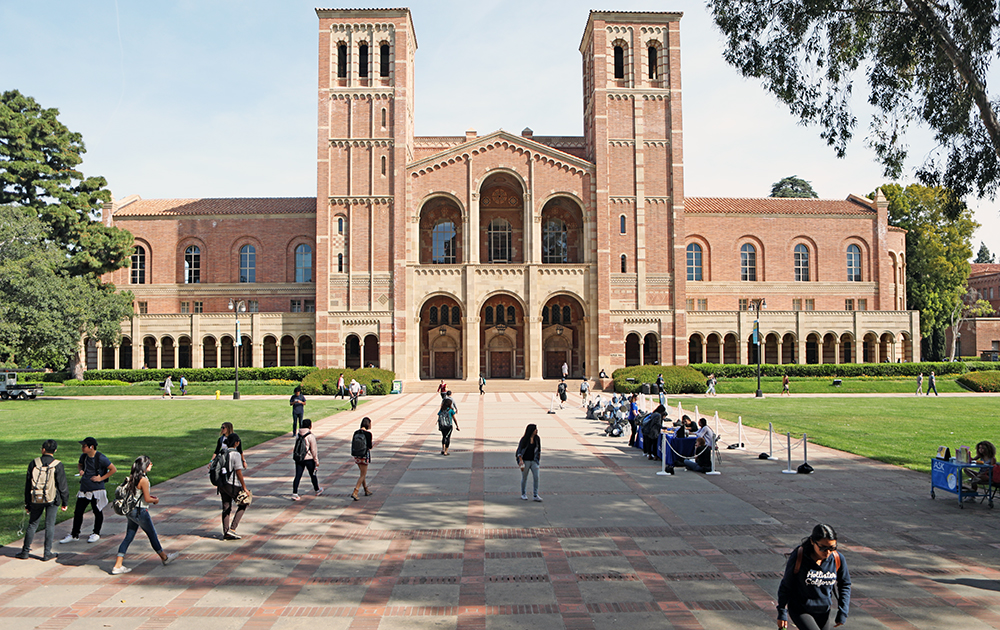
Campus environments vary widely, from the urban setting of UCLA to the coastal beauty of UC Santa Barbara and the scenic landscapes of UC Santa Cruz. This diversity allows students to choose a campus that aligns with their preferences and lifestyle.
Challenges and Future Directions
Despite its many strengths, the University of California faces several challenges. These include rising tuition costs, funding constraints, and the need to accommodate a growing student population. Additionally, the system must navigate the complexities of maintaining academic excellence while expanding access.
To address these challenges, the UC system is exploring innovative solutions, such as expanding online education, increasing partnerships with industry, and advocating for increased public funding. Sustainability and environmental responsibility are also key priorities, with campuses implementing initiatives to reduce their carbon footprint and promote sustainable practices.
Looking ahead, the University of California aims to remain at the forefront of higher education by adapting to changing societal needs and technological advancements. Its commitment to research, innovation, and public service positions it well to continue making a significant impact in the years to come.
Conclusion
The University of California is more than just a collection of campuses; it is a cornerstone of higher education and a driving force for progress. With its rich history, commitment to excellence, and global influence, the UC system exemplifies the transformative power of education.
From its beginnings in the 19th century to its current status as a world leader, the University of California has consistently upheld its mission to educate, innovate, and serve. As it continues to evolve, it remains dedicated to shaping the future through knowledge, discovery, and opportunity.